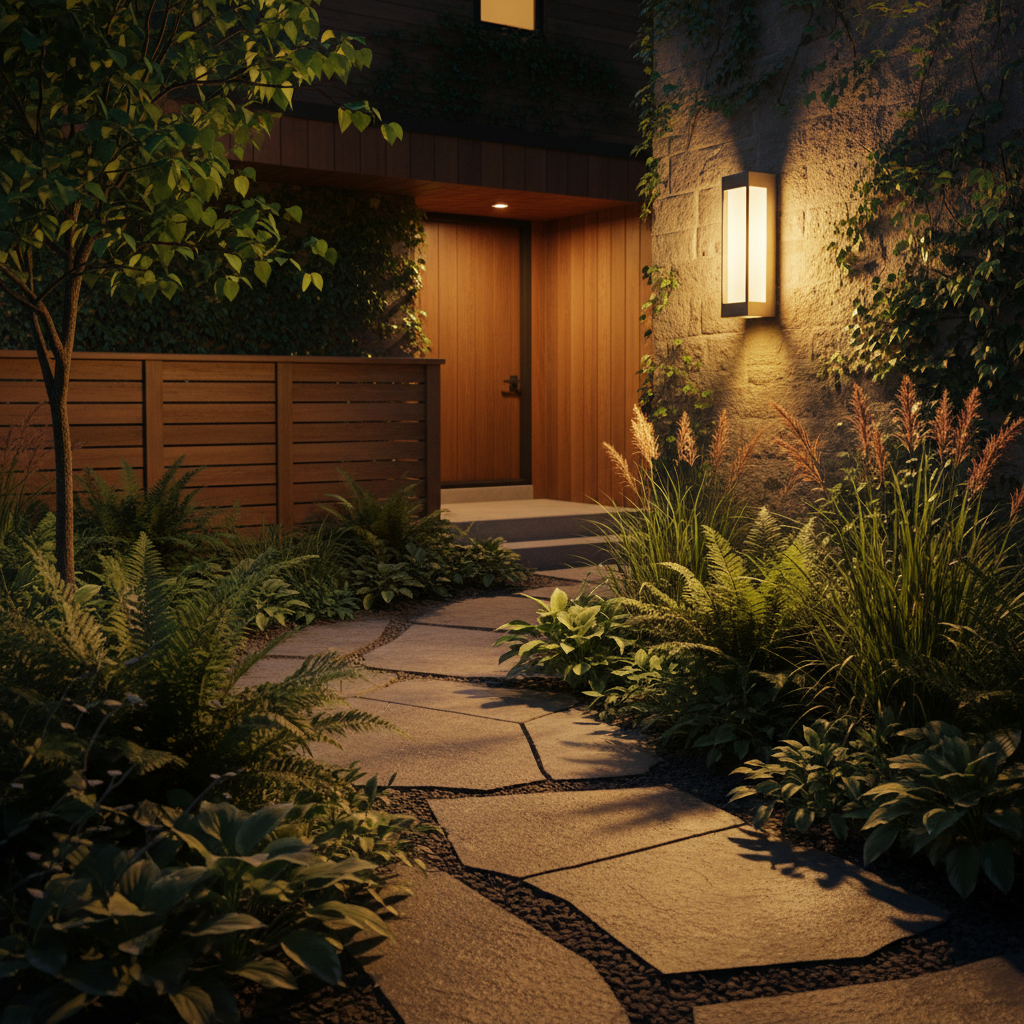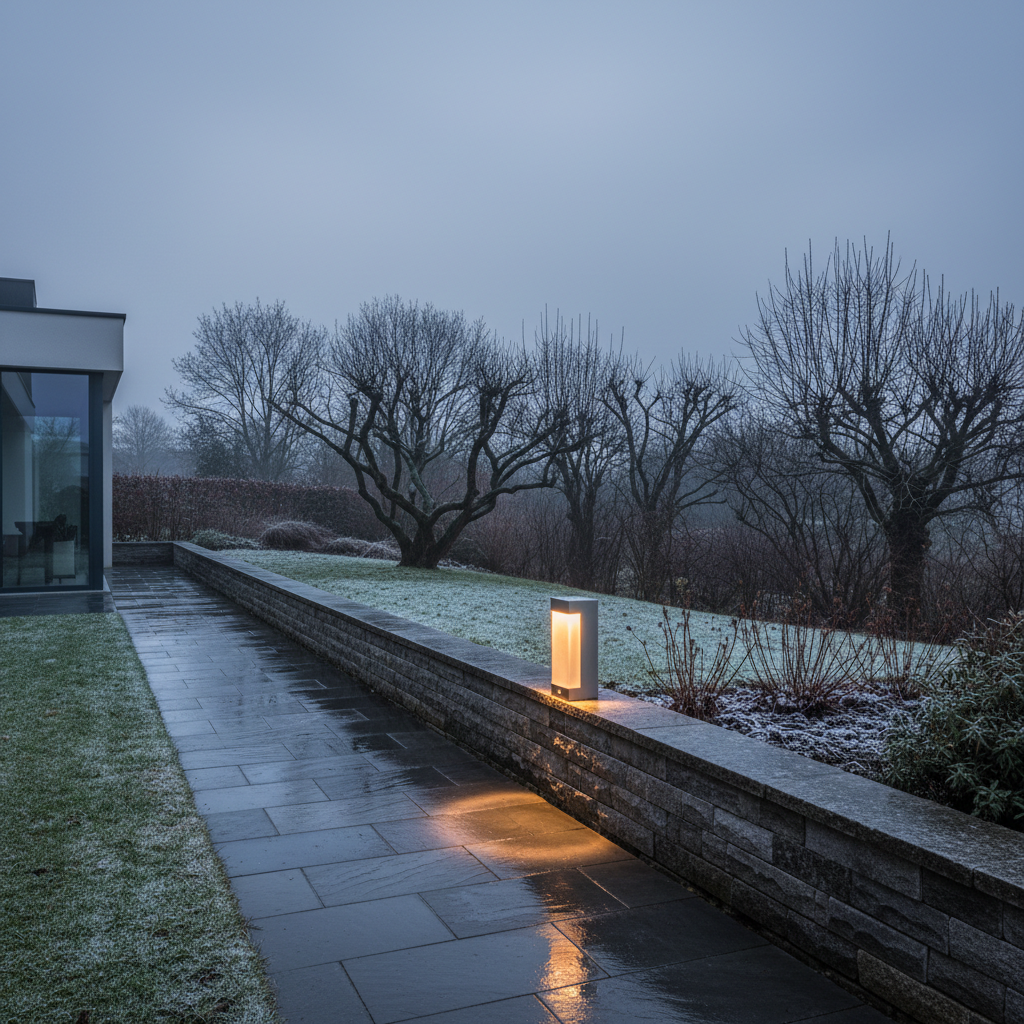
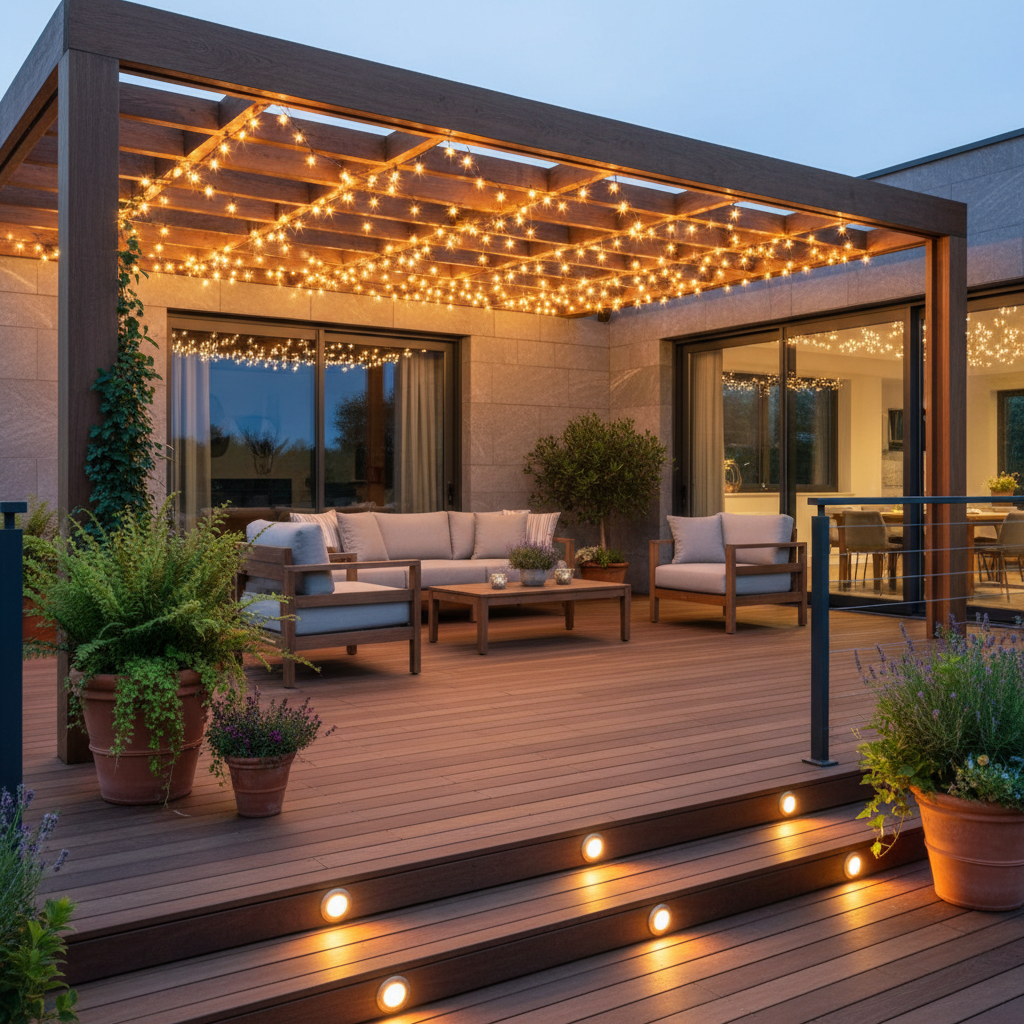
You have a patio, and by evening, it looks like a poorly lit parking lot. Or worse: it's pitch black, and you avoid it after 8 PM. LED patio lighting can change everything — but you need to choose the right approach for your setup.
Because no, there isn't one universal solution. Depending on whether your patio is finished (tiles laid, wood oiled, impossible to break anything), new (under construction), large, or small, the options differ. This guide reviews the three main categories of LED patio lighting, with concrete ideas for each — and most importantly, how to combine them for a truly stunning result.
Why LED Lighting is the Standard for Patios
LEDs have completely replaced halogen bulbs and incandescent spotlights on patios, and it's not just a trend. The main reason: they consume significantly less energy for equivalent light output and last longer without frequent replacement.
For a patio, this is especially important. Outdoor lighting endures temperature changes, humidity, and sometimes frost. LEDs are highly resistant to these conditions — provided you choose equipment designed for outdoor use (minimum IP65 rating for direct rain exposure).
What Light Ambiance to Aim for on a Patio?
Color temperature completely changes the atmosphere. For a relaxing patio, warm white (around 3000K) creates a soft, soothing light, similar to candlelight. For a patio-lounge where you often entertain, neutral white (4000K) provides more clarity without being harsh. Cool white (6000K) is better suited for utility areas — service doors, storage — not living spaces.
Do You Need an Electrician to Light Your Patio?
That depends entirely on the chosen approach. If you want integrated wired lighting (in-ground spotlights, wired wall sconces), yes, a qualified electrician is essential — and the work might involve breaking tiles or running conduits. If you opt for solar or rechargeable options, you can do it yourself in under an hour.
Wired Lighting: When Power is Key
This is the most visually sophisticated option, and also the most demanding to install. Wired patio lighting includes spotlights recessed into the ground or steps, wired wall sconces, string lights connected to an outdoor outlet, or LED strip lights attached under a pergola with an electrical power supply.
In-Ground Spotlights: Seamless Integration
In-ground spotlights are particularly popular for marking pathways, highlighting steps, or creating luminous lines along wood or tile. The result: a patio that looks like it's straight out of a magazine. The downside: installation requires opening the ground, laying waterproof conduits, and entrusting the electrical connection to a professional. This is typically planned during construction or major renovation work, not as a last-minute option.
LED Strip Lights Under Pergola or Awning
If your patio has a pergola, awning, or beam, LED strip lights are a particularly effective idea. Mounted underneath, they diffuse uniform light across the entire surface, without casting shadows. Connection requires a nearby waterproof outlet or discreet cable routing. The result is elegant and functional for summer evenings. Opt for IP65-rated outdoor LED strips with an appropriate LED driver for the voltage.
Solar: No Wires, No Trenching, No Waste
This is the number one argument for solar on an already finished patio: you don't touch your tiles or wood. No trenching, no wall cutting, no conduits to run. You install it, point the panel south, and you're done.
Solar LED patio lighting has evolved significantly in recent years. Low-end lamps that lasted two summers and only turned on in warm weather have been replaced by models with real solar panels and batteries sized to work even in winter or on cloudy days. The difference is directly visible in daily autonomy and reliability.
Motion Sensor Solar Sconces: Practical for Walkways
For high-traffic areas — steps, entrance paths, gates, garage sides — a solar wall sconce with a motion sensor is probably the smartest solution. It consumes no power when no one is passing, automatically turns on when it detects movement, and requires no intervention for weeks.
The SolarGlow by Lumic perfectly illustrates what this type of product can do: 1200 lumens, two 180° sensors with a range of about 26 feet (8 meters), IP65 waterproofing, and an advertised autonomy of 20 days without solar recharge in detection mode. This is the kind of sconce you install once and forget about — in a good way. To complete your setup, check out solar wall lights suitable for patio perimeters.
Solar String Lights and Lanterns for Ambiance
For a more festive or summery ambiance, solar string lights have become very reliable. They charge during the day and emit a warm light in the evening, without adding a watt to your electricity bill. Hang them under a pergola, around a railing, or in vegetation. For more ideas, consult our guide on wireless patio lighting for every ambiance.
Rechargeable: The Flexible Option for Occasional Evenings
There's a third category, often overlooked: USB-rechargeable LED luminaires. Outdoor table lamps, lanterns, light posts — these items charge indoors in a few hours and can then be placed on the patio without any cables.
Why Rechargeable is Ideal for Small Patios
If you have a balcony, a small apartment patio, or simply need occasional lighting for your evenings, rechargeable is the most flexible solution. You store it when not in use, place it wherever you want depending on the evening's setup, and have no installation constraints. The trade-off: you need to remember to recharge it between uses, and continuous mode autonomy is limited (usually a few hours depending on the model).
What to Check Before Buying Rechargeable Outdoor Lighting
Not all rechargeable luminaires are designed for outdoor use. Always check the product's IP rating — a minimum of IP44 for sheltered use, IP65 if the lamp may be directly exposed to rain. Long-term battery durability is also an important point: to learn more, see our article on the lifespan of rechargeable LED lighting, often a decisive criterion for patios.
How to Combine the 3 Approaches for a Truly Illuminated Patio
In practice, the best patios combine these three approaches depending on the areas and uses. Here's a logic that works for most configurations:
| Patio Area | Recommended Approach | Example |
|---|---|---|
| Pergola / Awning | Wired | IP65 LED strip light connected to an outdoor outlet |
| Dining Table | Rechargeable | USB outdoor table lamp |
| Steps / Pathway | Solar | Motion sensor wall sconce |
| Gate / Entrance | Solar | 1200 lm solar sconce with sensor |
| Vegetation Ambiance | Solar | Warm white solar string lights |
This complementarity covers all uses: functional light for cooking or dining on the patio, safety light for pathways, and ambient light for evenings. You get a complete result without having to wire everything.
Common Mistakes to Avoid with LED Patio Lighting
Some classic pitfalls we often see:
- Over-lighting. A patio is not a stadium. Multiple low-intensity sources create a much more pleasant ambiance than a single overpowered spotlight. Aim for several light points at low or medium height rather than overhead lighting.
- Forgetting the steps. This is the first place where lighting is often missing and the primary risk of falls at night. A solar sconce or an integrated spotlight in the riser permanently solves the problem.
- Choosing too cool a white. 6000K on a relaxing patio creates a cold, unwelcoming atmosphere. Reserve this tone for utility areas and prefer 3000K for living spaces.
- Neglecting waterproofing. A product not designed for outdoor use can burn out with the first rain. Always check the IP rating before buying, regardless of the chosen approach.
- Forgetting the solar panel's orientation. A solar sconce placed under an awning or facing north will charge very poorly. The panel must receive direct sunlight for at least a few hours a day.
For more on no-work options, wireless outdoor lighting solutions offer maximum flexibility, especially useful for finished patios where wiring is out of the question.
What Budget to Plan for LED Patio Lighting?
The range is wide depending on the chosen approach. A complete wired lighting system with recessed spotlights and professional installation represents a significant, but durable and integrated, investment. Solar and rechargeable options allow you to achieve good results for a much more contained budget, with an installation you can do yourself in an afternoon.
For outdoor solar floodlights, prices vary greatly depending on the quality of the panel and battery. Our comparison of outdoor solar floodlights will help you distinguish good models from bad investments.
A simple rule: don't under-invest in safety areas (steps, access path), and optimize the budget for secondary ambiance areas. Well-thought-out lighting in critical spots is better than mediocre lighting everywhere.
What LED Lighting Truly Does for a Patio
Ultimately, good LED patio lighting isn't noticed as such. What you notice is that you want to stay outside in the evening. That meals stretch a little longer. That children play even after dinner. That guests linger.
That's the goal: a patio that becomes a true outdoor living space, usable from May to October without constraints. Not a space you abandon as soon as daylight fades.
Start by identifying your priority areas — steps and access first, then the dining table, then the general ambiance. With a combination of wired for what deserves a permanent installation, solar for pathways and areas without nearby outlets, and rechargeable for evening flexibility, you'll get a completely transformed patio without having to tear everything up.