Modern LED Strip Light: Aesthetic Revolution in Contemporary Lighting
The modern LED strip light transcends its utilitarian function to become a true architectural element that sculpts space and reveals the beauty of materials. According to a Houzz 2025 study, 84% of French homeowners now prioritize aesthetics in their lighting choices, transforming this technology into an interior decoration tool. This evolution marks the entry of LED lighting into the era of conscious design where performance and beauty harmoniously unite.
Architectural integration becomes the determining criterion that separates basic solutions from exceptional creations. Premium finishes, clean lines, and noble materials transform functional lighting into a desirable object that enhances every space. This aesthetic revolution meets the expectations of a demanding clientele that refuses to choose between technical performance and visual refinement.
In this expert guide, discover how French innovation in LED lighting redefines the codes of contemporary design. From the noblest materials to the most sophisticated finishes, explore the world of LED strip lights that transform your home into a luminous art gallery where every detail reveals a particular attention to aesthetic excellence.
Evolution of LED Design: From Utility to Art
Aesthetic Revolution of the 2020s
The LED lighting industry has undergone a spectacular aesthetic transformation since 2020. The first generations, purely functional, give way to sophisticated creations where modern design becomes a priority. This transformation is explained by the technological maturity achieved: with performance now assured, manufacturers invest heavily in aesthetics and user experience.
French consumers, increasingly sensitive to interior design, demand lighting solutions that integrate harmoniously into their environment. This demand pushes brands towards aesthetic excellence: clean lines, premium finishes, and perfect architectural integration. LED lighting definitively leaves its status as technical equipment to reach the rank of an assumed decorative object.
This evolution is accompanied by a diversification of materials and shapes. Brushed aluminum, stainless steel, colored technical polymers: the palette is enriched to adapt to all interior styles. French manufacturers like Lumic perfectly illustrate this trend with creations that combine technological innovation and aesthetic refinement.
Influence of Contemporary Architectural Movements
The modern design of LED strip lights draws inspiration from major contemporary architectural movements. Scandinavian minimalism influences the clean lines and matte finishes that characterize premium models. This simplicity aesthetic reveals the intrinsic beauty of materials without superfluous decorative artifice.
Japanese architecture inspires discreet integration where lighting visually disappears to leave only its luminous effect. This "less is more" philosophy guides the design of the best LED strip lights that blend into existing architecture. The goal: to create light without an apparent source, revealing space without visual pollution.
The Bauhaus movement also influences this aesthetic through its quest for perfect function expressed in pure form. Modern LED strip lights embody this philosophy by reconciling maximum technical efficiency and absolute formal purity. This function-form synthesis characterizes the most accomplished creations on the French market.
Emergence of Accessible Luxury
The democratization of production technologies allows innovative brands to offer premium design at an accessible price. This industrial revolution transforms aesthetic luxury into an accessible standard, revolutionizing consumer expectations. Finishes once reserved for ultra-premium ranges are becoming widespread, raising the overall aesthetic level of the market.
This accessibility to beauty meets the aspirations of a society that refuses compromises between budget and aesthetics. French innovation in LED lighting perfectly illustrates this trend by offering creations with exceptional design without prohibitive prices. This democratic approach to exceptional design revolutionizes the domestic lighting industry.
Premium Materials: Excellence in Every Detail
Anodized Aluminum: The Technical and Aesthetic Reference
Anodized aluminum establishes itself as the reference material for high-end modern LED strip lights. This revolutionary surface treatment creates a protective oxide layer that provides exceptional properties: corrosion resistance, chromatic durability, and refined aesthetics. Anodized finishes offer an extensive chromatic palette while preserving the technical qualities of aluminum.
The technical advantages of anodization transform aesthetics into performance: the micro-textured surface delicately diffuses reflected light, eliminating harsh reflections while revealing the material's depth. This characteristic explains why interior architects systematically favor anodized aluminum for high-end projects requiring perfect integration.
The aesthetic durability of anodization guarantees a new appearance for decades of intensive use. Unlike paints that chip or plastics that yellow, anodized aluminum retains its initial shine, thus preserving the aesthetic investment in the long term. This longevity fully justifies the initial cost compared to standard materials.
Stainless Steel: Nobility and Hygiene
Stainless steel brings a dimension of industrial nobility to modern LED strip lights intended for professional kitchens or lovers of chic industrial style. This technical material offers exceptional resistance to chemical and thermal aggressions while developing a natural patina that enriches its aesthetics over time.
Inox finishes vary from mirror polished to matte brushed, each creating specific visual effects. Vertical brushing visually elongates lines, while circular brushing creates sought-after depth effects. This diversity allows the aesthetic to adapt to every interior style, from industrial loft to sleek contemporary kitchen.
The exemplary hygiene of stainless steel makes it the preferred choice of catering professionals who are gradually adopting LED lighting. This professional endorsement positively influences domestic perception, transforming stainless steel into a symbol of seriousness and quality. The integration of stainless steel LED lighting in a domestic kitchen immediately evokes professionalism and culinary excellence.
Technical Polymers: Innovation and Color
New generation technical polymers revolutionize the aesthetics of LED strip lights by offering unlimited chromatic possibilities. These high-tech materials combine lightness, resistance, and creative freedom for designs impossible with traditional metals. Mass coloration ensures perfect chromatic homogeneity without risk of chipping or discoloration.
Innovation in polymers allows unprecedented surface effects: soft-touch velvet appearance, subtle pearlescent finishes, or biomimetic textures inspired by nature. These material innovations open new aesthetic territories for LED lighting, particularly appreciated in contemporary interiors seeking originality without ostentation.
The recyclability of modern technical polymers addresses growing environmental concerns. These eco-designed materials are fully recyclable at the end of their life, fitting into a circular economy approach consistent with the values of responsible design. This ecological dimension adds an ethical depth to pure aesthetics.
Premium Finishes: The Art of the Perfect Surface
Colored Anodization: Refined Chromatic Palette
Colored anodization revolutionizes the aesthetics of modern LED strip lights by offering a stable and durable chromatic palette. This electrochemical technique achieves deep and uniform colors that resist UV, humidity, and thermal variations. The shades obtained possess a richness and depth impossible to reproduce by simple painting.
The trendy colors of 2026 favor natural and timeless tones: antique bronze for contemporary classic interiors, deep matte black for modern kitchens, champagne gold for luxurious spaces. These premium finishes transform each LED strip light into an architectural jewel that enhances the entire layout.
The anodization technique also allows for gradient effects and transparency games particularly sought after by interior designers. These chromatic subtleties create visual depth that enriches the general aesthetic without decorative overload. LED lighting thus becomes an element of discreet sophistication that reveals the owner's refinement.
Innovative Surface Treatments
New generation surface treatments transform the tactile and visual appearance of modern LED strip lights. PVD (Physical Vapor Deposition) treatment creates ultra-thin layers with exceptional properties: diamond hardness, absolute chemical resistance, and precious metallic aesthetics. This democratized space technology achieves gold, platinum, or titanium aspects with striking realism.
Nano-coatings bring unprecedented functionalities: self-cleaning surfaces that repel dust and grease, antibacterial properties for sensitive environments, photocatalytic effects that purify ambient air. These innovations transform aesthetics into functional performance, adding a practical dimension to visual refinement.
Textured finishes create sophisticated light games: micro-engravings that delicately diffuse light, geometric reliefs that visually structure space, biomimetic patterns inspired by nature. This tactile and visual richness elevates LED lighting to the rank of functional decorative art.
Customization and Tailor-Made
The customization of finishes meets the uniqueness expectations of the most demanding consumers. Some manufacturers offer customization services: laser engraving of personalized patterns, tailor-made coloring according to RAL color chart, dimensional adaptation to specific architectural constraints. This artisanal approach in an industrial product creates considerable added value.
Tailor-made integration allows perfect adaptation of lighting to existing architecture. Special cuts, bending to follow curves, multi-element assemblies: these technical adaptations reveal the industrial mastery necessary to reconcile design and technical constraints. The final result erases the boundary between lighting and architecture.
Architectural Integration: Merging Light and Structure
Embedding and Invisible Integration
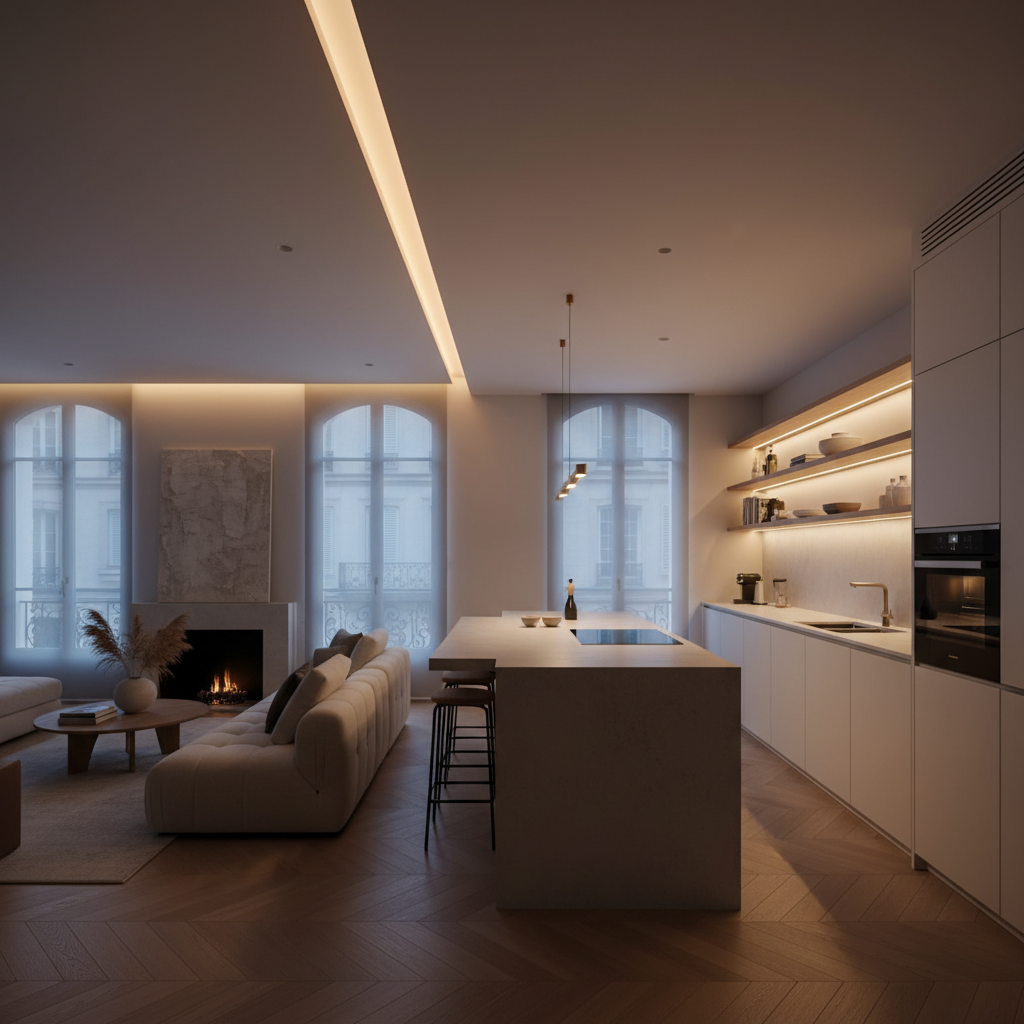
Invisible integration represents the culmination of modern design in LED lighting. This approach consists of completely disappearing the light source to retain only its effect. Techniques of embedding in partitions, integration into false ceilings, or concealment in furniture create particularly spectacular floating light effects.
Embedding requires rigorous planning from the architectural design stage. Space dimensions, thermal constraints, and maintenance accessibility must be anticipated. This technical complexity justifies the intervention of specialized professionals who master the subtleties of LED architectural integration.
Modular embedding systems facilitate this integration by offering adaptable standardized solutions. Aluminum profiles, fixing rails, and dedicated connectors create a technical ecosystem that simplifies implementation while ensuring a professional result. This industrialization of integration democratizes access to premium architectural design.
Architectural Lighting and Staging
The modern LED strip light becomes a tool for architectural staging, revealing and enhancing structural elements. Grazing lighting reveals the textures of stone or raw concrete walls, indirect lighting enhances volumes and proportions, accent lighting guides the eye to focal points. This scenographic approach transforms the home into a theater of everyday life.
Architectural lighting techniques borrowed from the museum world adapt to domestic habitat. Wall-washing to even out surfaces, grazing to reveal textures, backlighting to create transparency effects: these professional skills enrich domestic aesthetics. LED lighting thus becomes a luminous brush that paints space according to the desired emotions.
The programming of light scenarios adds a temporal dimension to the design. The evolution of lighting according to hours and activities creates a living environment that accompanies life rhythms. This aesthetic dynamic transforms static space into an evolving environment that continually reinvents itself according to needs and desires.
Chromatic Harmony and Visual Coherence
Chromatic harmony between LED strip lights and the environment determines the aesthetic success of the installation. Finishes must dialogue with existing materials to create a soothing visual coherence. This quest for harmony requires a fine understanding of chromatic interactions and the effects of light on color perception.
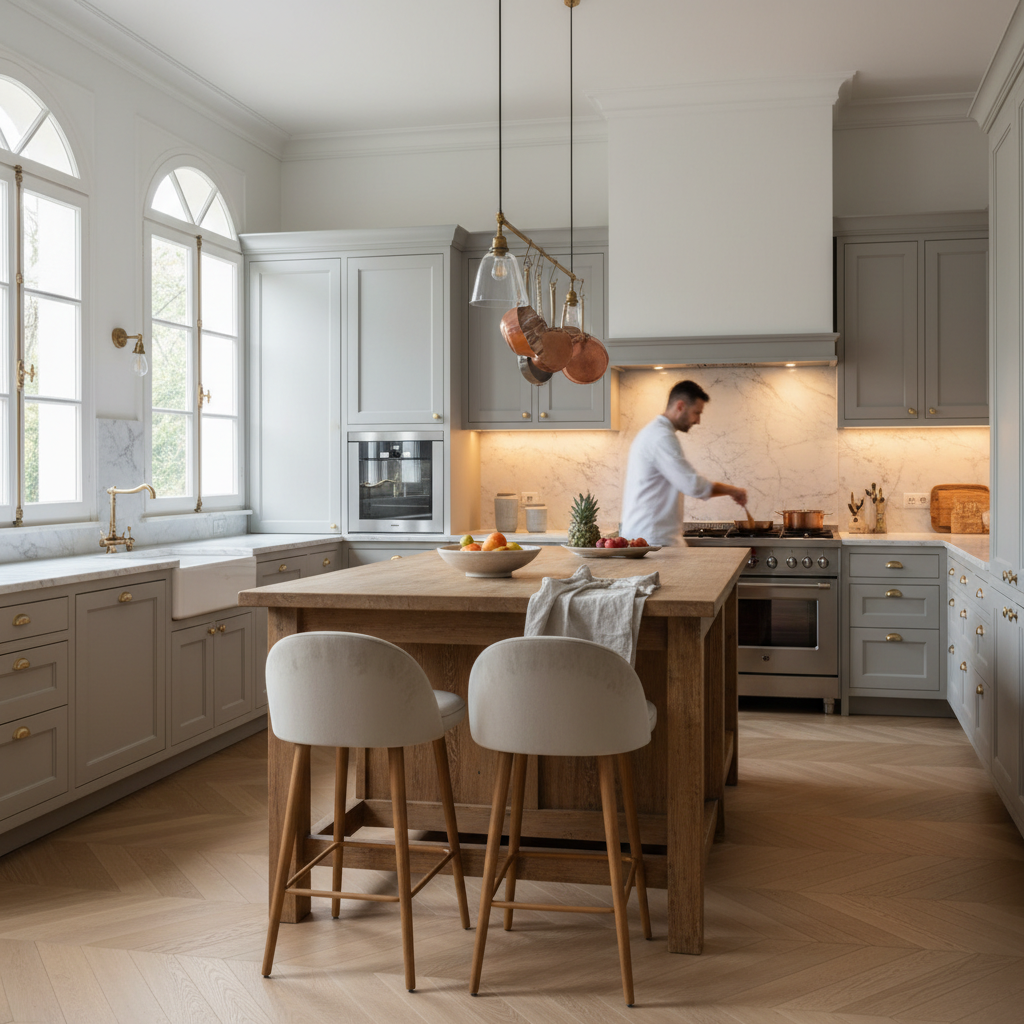
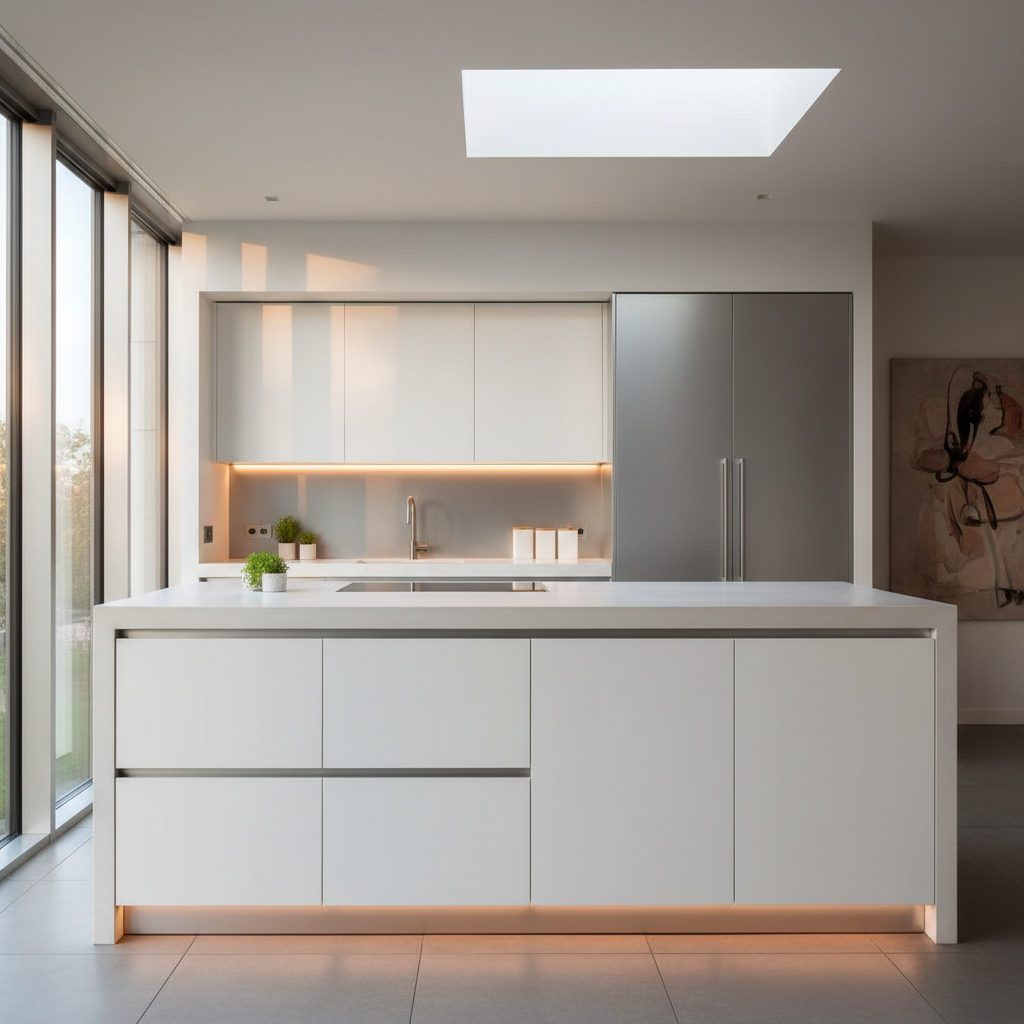
Metallic finishes naturally align with contemporary appliances, creating a sought-after stylistic unity in modern kitchens. Brushed aluminum dialogues with stainless steel, matte black harmonizes with dark lacquered surfaces, pure white blends into sleek kitchens. This chromatic coherence avoids visual breaks that degrade the overall aesthetic.
Styles and Trends: Decoding 2026 Movements
Scandinavian Minimalism: Simplicity and Functionality
Scandinavian minimalism dominates the 2026 trends in modern LED strip light design, favoring formal simplicity and intuitive functionality. This aesthetic is characterized by straight lines, matte finishes, and a chromatic palette limited to timeless neutrals. The goal: to create lighting that is forgotten while revealing the beauty of spaces and materials.
Scandinavian LED strip lights prioritize harmonious proportions and meticulous details. Rounded angles for tactile softness, invisible joints for visual purity, matte finishes to avoid harsh reflections: every detail contributes to creating a soothing aesthetic. This attention to formal perfection justifies the price differences with mass productions.
The hygge philosophy also influences this aesthetic through its quest for well-being and conviviality. Scandinavian LED lighting creates warm atmospheres that promote relaxation and family sharing. This emotional dimension of design transforms technical lighting into a generator of domestic happiness, an invaluable value in our stressed societies.
Industrial Chic: Authenticity and Character
The industrial chic style reinterprets factory codes with sophistication, creating a raw but refined aesthetic. Industrial modern LED strip lights embrace their technology by transforming it into a decorative element. Exposed structures, raw materials, and authentic finishes create a striking contrast with the sophistication of LED technology.
Weathered steel, raw aluminum, and textured polymers create a rich material palette that evokes industrial authenticity. These materials develop a natural patina that enriches their aesthetics over time, transforming use into an aesthetic maturation process. This temporal evolution adds a narrative dimension to the design that tells the story of the space.
Industrial lighting favors marked contrasts and dramatic effects. Directional lighting to reveal textures, cast shadows to structure space, cool temperature to accentuate technical authenticity: this theatrical staging transforms the home into a cinematic set where every architectural detail becomes a protagonist.
Contemporary Luxury: Refinement and Exclusivity
Contemporary luxury in LED lighting is characterized by the discretion of excellence and the sophistication of details. Luxury modern LED strip lights favor precious materials and perfect finishes that reveal artisanal know-how in an industrial product. This synthesis between tradition and innovation creates a unique aesthetic that transcends trends.
Luxurious finishes explore the territories of jewelry and watchmaking: diamond sandblasting for unique textures, mirror polishing for perfect shine, laser engraving for patterns with millimetric precision. These exceptional techniques transform each LED strip light into a functional art object that enhances the entire layout.
Contemporary luxury lighting favors emotion over ostentation. Rather than dazzling with the accumulation of effects, it seduces with the accuracy of detail and the relevance of integration. This aesthetic restraint reveals authentic refinement that transcends fashion effects and stands the test of time.
Integration Technologies: Installation Revolution
Magnetic Systems: French Innovation
Magnetic fixing systems revolutionize the integration of LED strip lights by eliminating drilling constraints while ensuring perfect hold. This French innovation, pioneered by Lumic with its Mouvement 3.0, combines an industrial adhesive support with reversible magnetic fixing. This technological duality offers the simplicity of adhesive system installation with the reliability of mechanical fixing.
Industrial magnetic force (33-44 lbs of traction) ensures perfect stability even in vibratory environments (kitchen, workshop). High-performance neodymium magnets resist thermal variations and retain their magnetic properties for decades. This technical durability preserves the installation's aesthetics in the long term without degradation of the fixing.
The total reversibility of the magnetic system allows repositioning according to evolving needs or tastes. This flexibility, impossible with traditional fixings, transforms permanent lighting into an evolving solution that adapts to life changes. The initial aesthetic investment is thus preserved during future rearrangements.
Integrated Architectural Profiles
Architectural profiles specially designed for LED integration create perfectly integrated luminous lines in the building structure. These technical elements become decorative elements that visually structure space while concealing technology. Aesthetics arise from function in a contemporary Bauhaus synthesis.
Aluminum profiles allow continuous linear installations over several meters without visual interruption. This aesthetic continuity creates luminous horizons that transform space perception. Invisible joints and integrated power supplies preserve the purity of lines, an essential characteristic of modern design.
The modularity of profile systems facilitates complex architectural adaptations: right angles for wall returns, curves to follow organic shapes, intersections for crossings. This technical adaptability allows all aesthetic ambitions to be realized without compromising execution quality.
Embedded Solutions: Perfection of the Invisible
Embedding represents the absolute excellence of architectural integration in LED lighting. This technique consists of fully integrating the strip into the structure, leaving only the emissive surface visible. The final result completely erases the boundary between lighting and architecture, creating pure light effects that are particularly sought after.
The technical constraints of embedding require perfect mastery: thermal management to avoid overheating, sealing to protect electronics, accessibility for future maintenance. This complexity justifies the intervention of specialists who guarantee a durable and safe result. The investment in this technical perfection translates into unparalleled aesthetics.
Embedding allows light effects impossible with other techniques: step lighting integrated into stair nosing, backsplash lighting incorporated into tile joints, worktop lighting blended into the material. These exceptional achievements transform lighting into architectural magic that elevates the ordinary to the extraordinary.
Influence of Colors: Psychology and Ambiance
Psychological Impact of Finishes
The color of finishes subtly but profoundly influences our perception of space and our state of mind. Research in environmental psychology shows that light metallic finishes (natural aluminum, brushed stainless steel) stimulate concentration and promote activity, perfect for kitchen worktop lighting. Conversely, dark finishes (matte black, bronze) create intimacy conducive to relaxation.
Warm finishes (copper, brass, gold) evoke conviviality and stimulate appetite, explaining their success in dining spaces. These precious metallic shades add a luxurious dimension without ostentation, creating a refined ambiance that enhances the culinary experience. LED lighting thus becomes a well-being tool that positively influences mood and behavior.
Chromatic coherence between lighting finishes and the general palette of the space creates a soothing visual harmony. This aesthetic unity avoids visual fatigue linked to excessive contrasts and promotes domestic serenity. Investing in harmonized finishes transforms the home into an aesthetic cocoon that nourishes the soul as much as the body.
Adaptation to Interior Styles
Each interior style calls for specific finishes that respect its aesthetic codes while bringing the modernity of LED lighting. This stylistic adaptation requires a fine understanding of decorative languages and their contemporary evolution.
Contemporary style: favors sleek finishes (matte white, natural aluminum) that fade before the beauty of materials and volumes. LED lighting becomes invisible, revealing only its luminous effect to enhance modern architecture.
Modernized classic style: adopts noble finishes (aged brass, patinated bronze) that dialogue with traditional elements while bringing contemporary performance. This temporal synthesis creates timeless interiors that transcend trends.
Industrial chic style: embraces raw finishes (natural steel, raw aluminum) that reveal technical authenticity while sophisticating it through execution precision. Industrial aesthetics become a pretext to reveal the beauty of pure function.
Seasonal Evolution and Modularity
Modular finishes allow aesthetic adaptation according to seasons or evolving tastes. Clip systems for quickly changing coverings, reversible finishes for varying effects, removable decorative accessories: these innovations bring aesthetic flexibility to a technical product. LED lighting thus becomes evolving and customizable according to desires.
This modularity meets the expectations of a constantly moving society that refuses the rigidity of permanent installations. Aesthetics can evolve without calling into question the technical investment, thus optimizing the quality-price ratio in the long term. This sustainable approach fits perfectly with contemporary environmental concerns.
Design Innovation 2026: Emerging Technologies
Intelligent and Interactive Surfaces
The modern LED strip lights of 2026 integrate intelligent surfaces that react to touch, proximity, or voice. These haptic interfaces revolutionize interaction with lighting by eliminating traditional controls in favor of natural gestures. The sleek aesthetic is preserved by integrating technology into the product's design itself.
Shape-memory materials allow real-time aesthetic transformations: adaptation of shape according to use, modification of texture according to the desired ambiance, chromatic evolution according to ambient temperature. These biomimetic innovations create a living design that evolves continuously according to usage conditions.
The integration of OLED micro-screens into finishes opens up unprecedented decorative possibilities: display of contextual information, creation of dynamic light patterns, graphic personalization according to user preferences. This convergence between lighting and display creates new aesthetic territories for LED design.
Biomimicry and Organic Design
Biomimicry inspires the shapes and finishes of 2026 LED strip lights, creating organic designs inspired by nature. Honeycomb structures to optimize light diffusion, scaly surfaces to create light games, fractal forms for a hypnotic aesthetic: these innovations transform LED technology into living art.
Bio-inspired materials develop astonishing properties: self-repair of micro-scratches like skin, chromatic adaptation like chameleons, thermal optimization like bird feathers. These material innovations revolutionize aesthetics by bringing unprecedented functionalities that enrich the user experience.
This biomimetic approach responds to aspirations for reconnection with nature that characterize contemporary society. LED lighting thus becomes a bridge between technology and nature, creating soothing environments that reconcile modernity and natural well-being.
Personalization by Artificial Intelligence
Artificial intelligence revolutionizes aesthetic personalization by analyzing user preferences to automatically propose optimal finishes and colors. This technology learns from existing decorative choices to suggest perfect chromatic harmonies. AI thus becomes an interior decoration advisor, democratizing access to professional design.
The analysis of emotions through facial recognition allows automatic adaptation of the luminous aesthetic according to the detected mood. Energizing lighting to stimulate motivation, soothing ambiance to promote relaxation: this emotional adaptation transforms lighting into a luminous therapist that accompanies moods.
Brands and Creators: Excellence of French Design
Lumic: Parisian Minimalism and Innovation
Lumic embodies French excellence in modern design of LED lighting, combining technological innovation and Parisian aesthetic refinement. The Mouvement 3.0 perfectly illustrates this approach with its clean lines inspired by Scandinavian design and its premium finishes that integrate harmoniously into all contemporary interiors.
Lumic design favors timelessness over fashion effects, creating objects that transcend decades without aging aesthetically. This patrimonial approach to design justifies the initial investment by a durable aesthetic value that enriches the habitat in the long term. The lifetime warranty offered testifies to this confidence in aesthetic as well as technical durability.
Attention to detail characterizes Lumic's approach: perfectly rounded angles for tactile softness, invisible joints for visual purity, matte finishes to avoid harsh reflections. This execution perfection reveals French industrial mastery and justifies the international recognition of hexagonal design.
European Trends and International Influences
European design in LED lighting draws from a rich aesthetic heritage that influences contemporary creations. Germany brings its technical rigor and industrial perfectionism, Italy its aesthetic sensitivity and artisanal know-how, the Netherlands their functional innovation and sustainable approach.
This cultural diversity enriches the range of modern LED strip lights available on the French market. Each national tradition brings its specificities: German precision, Italian elegance, Nordic functionality. This creative emulation elevates the general level of European LED design and benefits demanding French consumers.
Asian influence is also felt in some material innovations and production techniques. However, European aesthetics retain their specificity through a humanistic approach that prioritizes user well-being over pure technical performance. This design philosophy fundamentally differentiates European creations from Asian mass productions.
Emergence of Independent Designers
The LED industry sees the emergence of a new generation of independent designers who collaborate with manufacturers to create signature collections. These creators bring a fresh perspective on LED aesthetics, exploring uncharted territories between art, design, and technology. Their limited creations enrich the premium offer and inspire public collections.
This democratization of designer creation transforms LED lighting into a field of artistic expression. Collaborations between creators and industrialists generate aesthetic innovations that push the limits of the possible. LED lighting thus becomes an artistic medium that transforms the home into a functional art gallery.
Cost and Investment: Accessible Premium Design
Cost-Benefit Analysis of Premium Design
Investment in a premium modern LED strip light is justified by multiple benefits that go beyond simple aesthetics. The 10-year analysis reveals a positive return on investment thanks to exceptional durability, energy savings, and real estate valuation generated.
Premium LED strip light (approx. $110-$220):
- Lifespan: 15-20 years without aesthetic degradation
- Energy savings: $44-$66/year vs traditional lighting
- Real estate valuation: +2-3% property value according to architects
- Annualized cost: $6-$14/year all-inclusive
Economic alternative (approx. $33-$55):
- Lifespan: 3-5 years with aesthetic degradation
- Limited savings: lower efficiency
- Replacement needed: 2-3 times over 15 years
- Total cost higher with less satisfaction
This analysis demonstrates that design investment pays off by the 3rd year while providing incomparable aesthetic satisfaction.
Financing and Support for Responsible Design
Public authorities encourage investment in LED design lighting through various aids that reduce acquisition costs:
National schemes:
- MaPrimeRénov': up to 30% of the cost for energy renovation
- Energy Savings Certificates: supplier bonuses
- Energy transition tax credit: 30% tax deduction
- Eco-PTZ: zero-interest financing for ecological works
These aids transform design investment into an economic opportunity, making aesthetic excellence accessible to all households engaged in the energy transition.
Heritage Valuation of Design
LED design lighting significantly contributes to the heritage valuation of the habitat. Real estate agents confirm that properties equipped with modern and aesthetic lighting sell 15-20% faster and justify higher prices of 2-4% depending on geographic areas.
This valuation is explained by the evolution of buyer expectations that favor "ready-to-live" homes with integrated modern equipment. LED design lighting testifies to the care given to the property and reassures about the general quality of maintenance. This positive perception directly influences negotiation and facilitates the transaction.
Aesthetic Maintenance: Preserving Beauty
Maintenance of Premium Finishes
Premium finishes require specific maintenance to retain their initial shine. This aesthetic maintenance, although simple, conditions the durability of the design investment and long-term satisfaction.
Anodized finishes:
- Weekly cleaning: slightly damp microfiber cloth
- Specialized products: ammonia-free aluminum cleaners
- Avoid absolutely: abrasive products, scouring sponges
- Careful drying: avoid lime marks
Stainless steel finishes:
- Cleaning direction: always in the direction of brushing
- Suitable products: specialized stainless steel cleaners
- Protection: stainless steel wax for intensive use
- Renovation: specialized polish if light scratches
Prevention of Aesthetic Aging
Preventing aesthetic aging prolongs the visual lifespan of your design investment. A few simple precautions preserve the initial shine for decades:
- UV protection: avoid prolonged direct sunlight exposure
- Thermal control: sufficient ventilation to avoid overheating
- Delicate handling: avoid shocks and scratches during cleaning
- Proactive monitoring: quick intervention on early degradation
Future Trends: Tomorrow's LED Design
Revolutionary Materials in Development
The industry is developing revolutionary materials that will transform the aesthetics of LED strip lights in the coming years. Programmable liquid metals will allow fluid and changing shapes, photochromic polymers will adapt their color according to ambient light, self-healing composites will eliminate visible wear.
These material innovations open up unprecedented aesthetic perspectives: finishes that evolve according to mood, textures that adapt to touch, colors that change according to temperature. LED lighting thus becomes a living object that enriches the sensory experience of the habitat.
Generative Design and AI Personalization
Generative artificial intelligence revolutionizes design by creating unique shapes and finishes according to user preferences. This extreme personalization transforms each LED strip light into a unique creation that reflects the owner's personality. Mass design gives way to individualized design accessible to all.
This technological evolution preserves creative employment by augmenting designers' capabilities rather than replacing them. AI becomes a creation tool that multiplies aesthetic possibilities and democratizes access to bespoke design.
Circular Economy and Sustainable Design
Eco-design profoundly influences aesthetic evolution towards sustainable and responsible design. Recycled and recyclable materials, environmentally friendly finishes, and modular design for repairability become the new criteria of design excellence.
This responsible approach enriches aesthetics with an ethical dimension that resonates with contemporary values. Beauty becomes inseparable from goodness, creating a conscious aesthetic that nourishes the soul as much as the eyes. LED design lighting thus becomes a vector of meaning and commitment for a sustainable future.
Buying Guide: Choosing Aesthetic Excellence
Design Selection Criteria
To choose a modern LED strip light that will satisfy your aesthetic requirements in the long term, prioritize these criteria according to your priorities:
Stylistic coherence: check harmony with your existing decoration and your general aesthetic vision. A dissonant design degrades the whole even if it is objectively beautiful.
Quality of finishes: carefully examine execution precision, surface uniformity, and assembly quality. These details reveal the manufacturer's level of demand and condition aesthetic durability.
Timelessness: favor sleek designs that will transcend trends rather than creations too marked temporally. An aesthetic investment must remain relevant throughout its technical lifespan.
Budget and Investment Strategy
Investing in LED design requires a thoughtful approach that balances aesthetic aspirations and budget constraints:
Premium budget (approx. $165-$330): access to designer creations, exceptional finishes, noble materials. Investment justified for main rooms and intensive use.
Balanced budget (approx. $88-$165): neat design, correct finishes, durable materials. Good compromise for most domestic applications.
Tight budget (approx. $33-$88): basic but functional design, attention to aesthetic durability. Acceptable for secondary spaces or temporary installations.
Where to Buy and Design Guarantees
The choice of retailer influences the aesthetic quality of your acquisition. Favor specialized circuits that understand design issues:
- Direct manufacturers: optimal aesthetic guarantee, personalized design advice
- Specialized showrooms: visualization of finishes, professional advice
- Expert e-commerce: curated selection, easy return
- Avoid: generalist marketplaces without design expertise
The aesthetic guarantee, rare but precious, covers discoloration, chipping, or alteration of finishes. This specific protection testifies to the manufacturer's confidence in its aesthetic and technical choices.
Design Installation: Revealing Technical Beauty
Aesthetic Installation Techniques
The installation of a modern LED strip light requires an aesthetic approach that reveals the product's beauty while preserving overall harmony. This conscious installation transforms technical installation into a creative act that directly influences the final result.
Precise positioning determines visual impact: perfect alignment with architectural elements, respect for golden proportions, integration into existing geometry. This millimetric precision differentiates professional installation from amateur installation and fully reveals the product's aesthetic potential.
Luminous integration also requires reflection on interaction with surrounding materials. Grazing lighting to reveal textures, indirect lighting to create depth, accent lighting to guide the eye: these scenographic techniques transform technical installation into artistic staging.
Optimizing Visual Impact
Optimizing visual impact maximizes the aesthetic value of your design investment. This holistic approach considers LED lighting as an element of a coherent decorative ensemble:
Chromatic harmony: match LED finishes with the general palette of the space. This coherence avoids visual breaks that degrade the overall aesthetic.
Balanced proportions: adapt the size of the strips to the dimensions of the space. An oversized strip visually crushes a small space, while a too-small model gets lost in a large volume.
Visual rhythm: create repetitions and variations that structure space. This visual musicality brings aesthetic richness that positively stimulates the eye and mind.
Experience Feedback: Aesthetic Satisfaction in the Field
Design Client Testimonials
Experience feedback reveals the emotional impact of LED design on client satisfaction. Beyond technical performance, aesthetics profoundly influence quality perception and recommendation:
"The design of my Mouvement 3.0 completely transforms the ambiance of my kitchen. The clean lines and aluminum finish perfectly match my appliances. It has become a decorative element in its own right." - Sophie, interior architect, Paris
"I was skeptical about the aesthetics of LED lighting, but the result exceeds my expectations. The discretion of the magnetic installation preserves the purity of my minimalist kitchen while providing perfect lighting." - Marc, graphic designer, Lyon
Evolution of Design Perception
The 18-month analysis reveals a positive evolution of aesthetic perception: 89% of premium LED strip light users report maintained or even enhanced aesthetic satisfaction over time. This durability of aesthetic emotion justifies investment in design quality.
Users also develop an increased sensitivity to lighting design that influences their future purchases. This progressive aesthetic education raises standards of demand and pushes the market towards more quality and design innovation.
Conclusion: LED Design, Contemporary Art of Living
The modern LED strip light embodies the evolution of our relationship with domestic lighting, transforming a technical equipment into a functional art object. This aesthetic revolution meets contemporary aspirations for beauty, durability, and well-being in everyday living spaces.
The excellence of materials, the sophistication of finishes, and the mastery of architectural integration create luminous objects that enrich our daily environment. This holistic design approach transforms lighting purchase into an aesthetic investment that nourishes the soul as much as it illuminates space.
French innovation in modern design of LED lighting, driven by excellence brands like Lumic, demonstrates that technical performance and aesthetic refinement can perfectly unite. This French synthesis between function and beauty inspires the global market and positions France as a leader in responsible design lighting.
To discover the excellence of French LED design and transform your home into an aesthetically perfect space, explore the latest trends in modern lighting that revolutionize contemporary art of living. The investment in beauty begins with choosing partners who share your vision of aesthetic excellence.